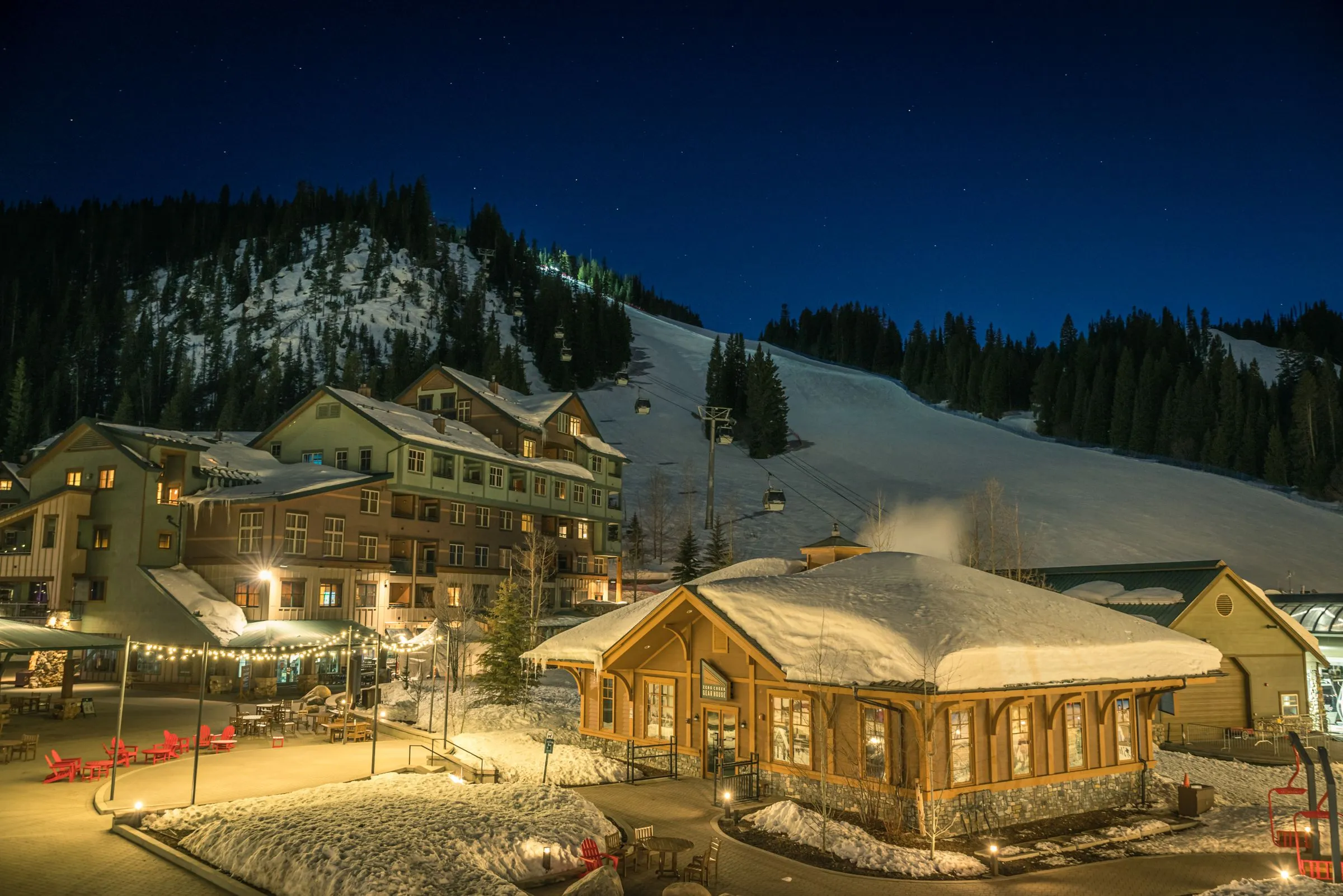
If you’re buying a ski condo and your bank says it can’t be financed, don’t take that as the final answer. Nine times out of ten the problem isn’t you or your money — it’s that the building is a “condotel,” and most banks simply aren’t allowed to lend on one. A condotel is financeable. It just takes a lender who knows how to place it. Here’s what the label means, why your bank walked, and how one of these actually closes.
What happened in Vail
A buyer recently came to us with a ski-in/ski-out condo under contract in Vail — the kind of unit you walk out of and you’re on the mountain. Strong buyer, fully documented income, nothing exotic about his finances. He’d taken the deal to a leading local bank first, the obvious choice in a ski town.
They told him it couldn’t be done. Not “here’s a higher rate,” not “bring more down” — that it couldn’t be financed with a mortgage at all, let alone a traditional, fully amortizing one.
The income was never the issue. The building was. The property is a condotel — it operates partly like a hotel — and that put it outside what a conventional bank is able to finance. So the file didn’t need a different borrower; it needed a different lender.
We closed it. Full documentation, the buyer’s real income, placed with an investor who finances condotels. The “impossible” mortgage funded, and he got his mountain.
If that’s the wall you’re staring at, keep reading — it’s a solved problem, not a dead end.
What is a condotel, and why does it kill most loans?

A condotel (condo-hotel) is a condominium that runs partly like a hotel. The features underwriters flag:
- A front desk or hotel-style lobby
- An on-site rental / management program units run through
- Short-term nightly rentals as the norm
- Hotel-like services — housekeeping, reservations, sometimes a restaurant
None of that is a defect. In a ski town it’s often exactly what makes the building desirable. But those features make the condo “non-warrantable” — it doesn’t meet Fannie Mae / Freddie Mac guidelines, so agency lenders and most big banks can’t sell the loan and their systems auto-decline it. That’s why “it’s a condotel” so often comes out of your banker’s mouth as “we can’t help you” — not because anything is wrong with your purchase.
How a condotel ski condo actually gets financed
Two things have to line up. We handle both.
1. An investor who finances condotels. With 80+ investor relationships, we place condotel and non-warrantable condos with lenders who want them — instead of forcing your file through an agency box it will never fit. That’s the entire advantage of a broker here: we change lenders, you don’t change your dream.
2. The income path that fits you. There are three, and the right one depends on how you’re buying:
- Full documentation — your own documented income, the way our Vail buyer did it. If you qualify on your income, the condotel status is the only hurdle, and it’s ours to clear, not yours.
- Alt-doc — if you’re self-employed or your tax returns don’t tell the whole story, we can qualify condotel purchases on alternative documentation (bank statements and similar) instead of W-2s and 1040s.
- DSCR — qualify on the rental income — if you’re buying it as an investment/rental, we can qualify the property on what it earns instead of your paycheck, using an appraiser’s Form 1007 rent schedule or a short-term-rental income appraisal. No tax returns, no W-2. (How DSCR works →)
Same building hurdle, three clean ways through it. Tell us which buyer you are and we’ll point you at the right one.
If you’re buying it to rent: the 14-day line
This part applies only to the DSCR/rental path — skip it if you’re buying with full-doc income for your own use.
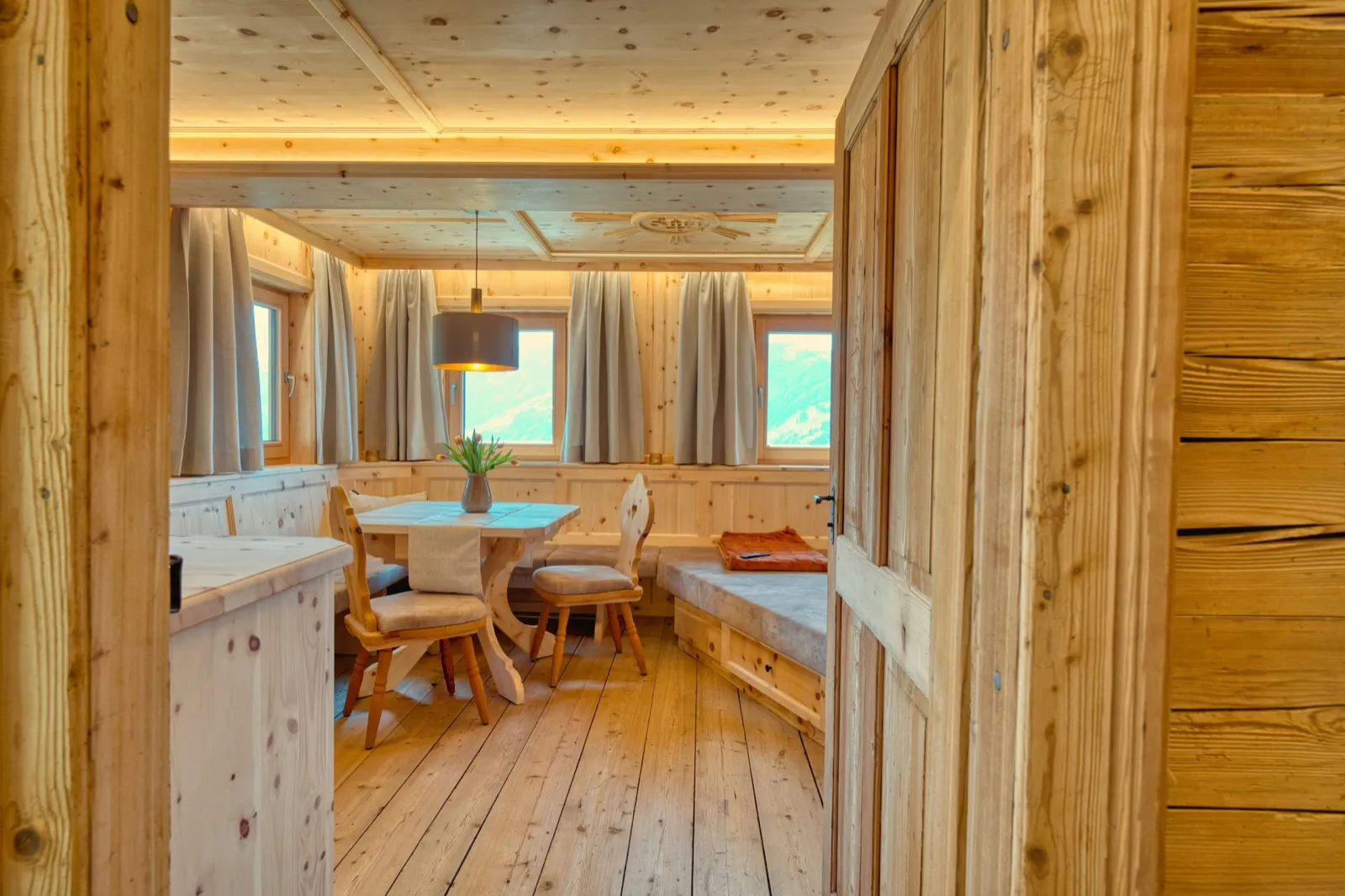
A DSCR loan finances an income-producing property, which makes it business-purpose credit — and that rests on one fact: the unit is not your home. Personal use is capped at 14 days a year. Ski it a week or two off-peak and rent the rest of the season — fine, and it’s what most owners do. Plan to live there half the winter and it’s no longer a DSCR property; it’s a second home, financed a different way (full-doc, like the Vail deal). We put this on the table at the start of every rental file.
What you’ll need
- The purchase contract
- The condo / HOA documents — so we confirm the condotel profile up front and there are no surprises at underwriting
- Income documentation (full-doc path), bank statements (alt-doc path), or a Form 1007 rent schedule / STR income appraisal (DSCR path)
- A property insurance quote
- Reserves (varies by scenario)
- Entity docs if you vest in an LLC on the DSCR path
Questions people actually ask
My bank said my ski condo “can’t be financed.” Is that true?
Almost never. It usually means the building is a condotel or non-warrantable, so that bank can’t lend on it. A condotel-friendly lender can — we place these.
What’s a condotel?
A condo that operates partly like a hotel — front desk, rental program, nightly stays. It makes the unit non-warrantable, which is why agency lenders decline it.
Can I finance it with my own income, or do I need rental income?
Either. Full documentation if you qualify on your income (that’s how our Vail buyer did it), alt-doc (bank statements) if you’re self-employed, or DSCR on the property’s rental income if you’re buying it as an investment. Condotel products support all three.
Can I ski there myself?
If you buy it full-doc for your own use, it’s your place — use it. If you finance it as a DSCR rental, personal use is capped at 14 days a year.
How do I start?
Send us the address and the HOA docs. We’ll tell you fast whether we can place it.
If a lender just told you your ski condo can’t be financed, send us the address and the HOA documents. We’ll tell you quickly whether we can place it — and get it closed.