You’ve run the numbers on the dream property more than once. And every time, the same wall: a second-home or investment mortgage wants two years of tax returns, a W-2, and a debt-to-income ratio that already carries your primary house. The property that would actually make money never gets a fair look.
A DSCR loan takes that wall down.

What is a DSCR loan?
A DSCR loan qualifies you on the property’s rental income instead of your personal income. DSCR stands for Debt Service Coverage Ratio — the rent divided by the monthly obligation (principal, interest, taxes, insurance, association dues). No 1040s. No employment check. No personal debt-to-income math. The asset stands on its own. (The full mechanics, here.)
For a vacation rental, that’s the whole game — because what you’re buying is precisely what qualifies you.
How does a short-term rental qualify without a lease?
This is where most lenders quit, and where we don’t.
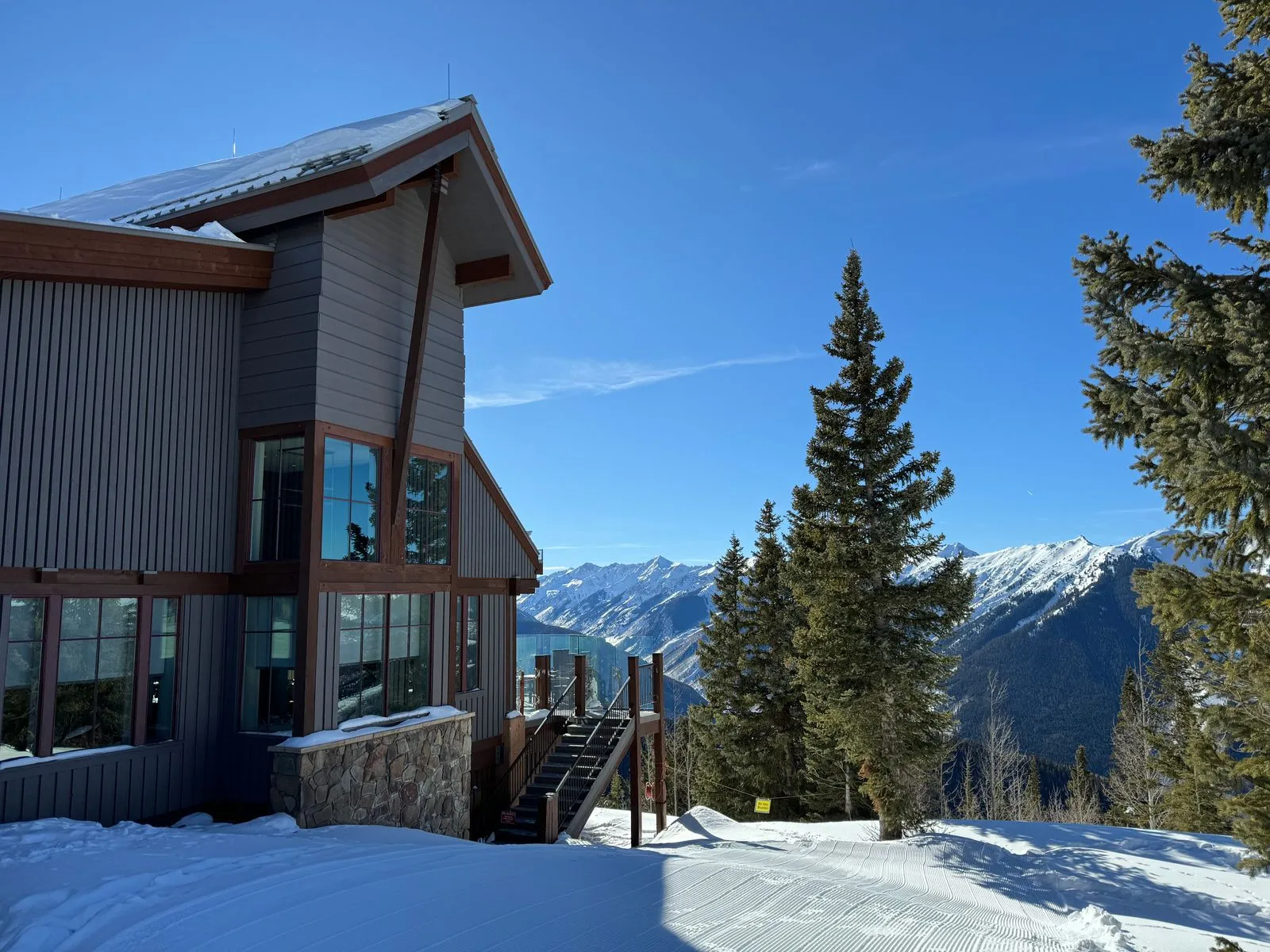
A vacation property doesn’t come with a signed 12-month lease. It earns in nightly and seasonal bursts — peak ski weeks, the winter season in Florida. A lender looking for an executed lease finds none and stops.
We qualify it two ways instead:
- Form 1007, the appraiser’s rent schedule, establishes market rent when there’s no lease. It’s standard appraisal work — most lenders just won’t accept it in place of a signed tenant.
- A short-term-rental income appraisal captures what the unit actually earns by the night. For a well-placed vacation property, that number is often far stronger than a long-term rent estimate — and it’s frequently the difference between “close” and “funded.”
We’ve closed files on exactly this. A property with no lease and no rental history, qualified on a 1007 and an STR appraisal, because the earning power was real and we knew how to document it.
If the building itself is where the deal gets stuck — a condotel, a non-warrantable condo, common in ski towns — there’s an extra layer to solve. We walk through a real Vail closing in the ski-condotel financing piece.
The one rule: the 14-day line
Here’s the part that matters more than the rate, and almost nobody explains it.
A DSCR loan is business-purpose credit — it finances an income-producing property. That’s what earns you the no-income-doc, no-DTI treatment. It rests entirely on one fact: the property is not your home.
Personal use is capped at 14 days a year. Stay longer and the loan converts to consumer credit — different rules, different pricing, different qualifying.
So can you ski at your own condo? Yes — inside that limit. Owners routinely take a week or two off-peak and rent the rest of the season; the property carries itself and the classification holds. But if the plan is to spend half the winter there, that’s not a DSCR property — it’s a second home, financed a different way, and we’ll tell you that straight rather than write the wrong loan.
We put this on the table at the start of every vacation-property file. It’s the rule that keeps the whole structure sound.
What “pays for itself” actually means

A well-located vacation rental can offset its carrying cost, and in a strong market it can run a profit. Whether it does comes down to real inputs — occupancy, seasonality, your nightly rate, management. We won’t hand you a fantasy of a free chalet. We’ll run the actual numbers on your specific property before you sign, so you know what you own.
One thing tilts it in your favor: we go down to a 0.70 DSCR. The property doesn’t have to fully cover its payment on paper to get financed — which is exactly the room a seasonal rental with strong peak weeks and quiet months needs.
What you’ll need
- Credit report — we work down to 600
- The purchase contract
- A Form 1007 rent schedule, or a short-term-rental income appraisal
- A property insurance quote
- Reserves (varies by scenario)
- Entity documents if you vest in an LLC — often the right move (why)
- No tax returns. No W-2s. No pay stubs.
Questions people actually ask
Can I finance a place I’ll rent on Airbnb?
Yes — qualified on short-term-rental income via a 1007 rent schedule and, where it helps, an STR income appraisal.
Do I need to own a home first?
No. Most DSCR lenders require it. We don’t — this can be your first property.
Can I use it myself?
Up to 14 days a year. Beyond that it becomes a second home, financed differently.
What if it doesn’t fully cover the payment?
We go to 0.70 DSCR, so it doesn’t have to. We’ll show you the real numbers first.
How fast can you close?
On a clean file, as little as ten days.
Send us the market, the property, and what it can rent for. We’ll tell you whether it carries itself — and if it’s close, whether we can still get it done.